Meet the founders: Culture Roots Collective
By Ila Rujula & Chala June
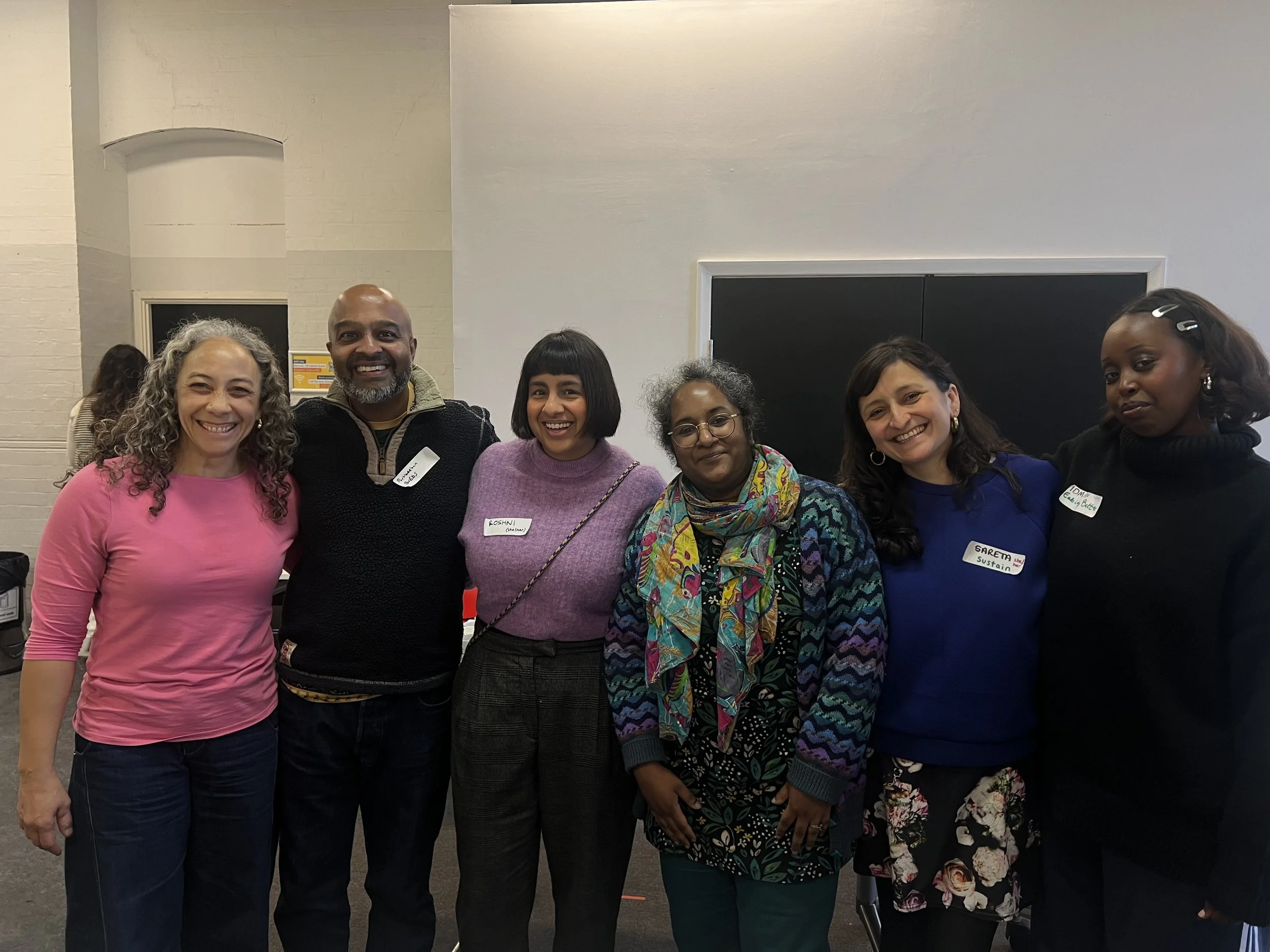
The Founders of Culture Roots Collective.. From left to right: Angelina, Theeb, Roshni, Sophie, Sareta and Idman.
We sat down with the Culture Roots Collective co-leads, Angelina, Idman, Theeb and Sareta, to hear how the platform came to be and their aspirations for the future.
What was the catalyst that inspired the founding of Culture Roots Collective?
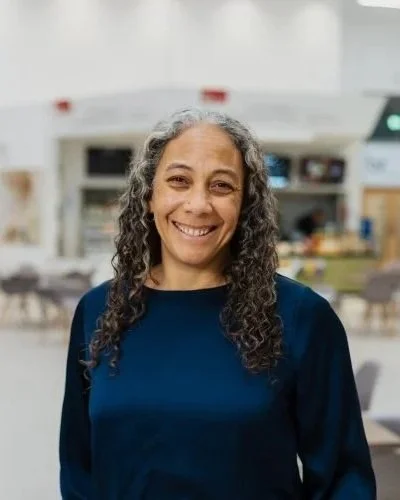
Co-founder Angelina Sanderson-Bellamy (read Angelina’s profile in our directory to learn more about her work)
Angelina I think each of us had begun thinking about this separately. Idman and Sareta were convening the food and racial justice and food group, I was preparing a funding proposal on EDI in food and farming, and Theeb had been in discussion with the Esmée Fairbairn Foundation about funding a website. Thankfully, we came together through various discussions and were able to pool our resources to develop CRC.
Idman It was founded out of a clear need for deeper collaboration on equity and justice across the food and farming sector. Through our work and conversations, we knew that many individuals and groups were doing important anti-racist and justice-led work, but we were often working in silos. Over time, we kept noticing the same themes: duplication of effort, limited resources and a lack of visible connection between people working toward similar goals. CRC emerged as a response to that gap, with the intention of bringing together people, knowledge and energy in a more coordinated way.
Theeb: We each had the idea but the catalyst was meeting a funder at Oxford Real Farming Conference who liked some of the other projects I’d worked on. They wanted to know what more they could do and so I suggested this idea and they said, ‘That sounds great, we want to do it.’ The important thing felt like doing it as a group so that we had lots of different perspectives and ideas.
Sareta: My role at Sustain was created in 2023 with the long-term aim of having a more ethnically diverse sustainable food and farming workforce. As I started to network and get to know the sector it was clear that whilst there were very few people of colour there were also many inspiring people doing incredible work. It was clear that we could platform people in a meaningful, non-extractive way that would not only support them but also enable others across the sector to embed more inclusion in their work.
How you did you meet and what informed the decision to create CRC?
Sareta Idman was on the interview panel for my role at Sustain! We then connected during my induction, realising we had very similar roles – as well as being in the minority within our organisations - and decided to work collaboratively across our alliances. I met Theeb early on in my journey too as he was often cited, quite rightly, as someone doing great work on diversity. Angelina was introduced to Idman and I around some UKRI funding for EDI work. When we started to discuss that funding, we realised we had a shared vision for a platform to amplify people of colour, so chose to do it collaboratively.

Co-founder Idman Abdurahman (read Idman’s profile in our directory to learn more about her work)
Idman Sareta and I had already formed a food and racial justice group across the Eating Better and Sustain alliances. During one of our meetings, the topic of working with research communities came up and I was connected with Angelina. She joined our group and got us involved in a larger bid to help fund some of the activities we wanted to develop. It made sense to pool our resources with Theeb’s, build on each other’s strengths and come together to create something really meaningful with the potential for long-lasting impact.
Angelina I met Theeb by asking him to Chair our key note panel at our second Agri-food for Net Zero Network+ (now Root and Reason) Big Tent. The panel was about the importance of diversity around the decision-making table. Since our interests and work overlap, we stayed in touch afterwards regarding different opportunities to collaborate. Joining Sareta and Idman’s working group was perfect timing, as I was developing a proposal for research funding for EDI at that same moment. We won the funding a few months later and were up and running!
Theeb Sareta and I met not long after I started and we both had this similar idea, She said she knew someone else she could bring in. I had talked to Angelina about it and so I sort of brought her in. Angelina, Idman and I were working together to get some funding already so it sort of just came together like that. There were already things connecting us each of us but Culture Roots was like a web connecting us as a group.
What challenges and barriers to equity and inclusion have you faced in your own work?
Sareta I’ve often felt like I don’t fit in or belong in most workplaces in my career. There’s very few people of colour in the sustainable food sector, however I was lucky that my job is to work on racial justice and diversity as it meant that I had to connect with other Black and brown people. I’ve had racist incidents and microaggressions in previous workplaces which I just accepted as everyday life, particularly growing up in a very white city (Edinburgh). It wasn’t until I centred my work on justice and equity that I really began to comprehend the structural and systemic obstacles many of us face.
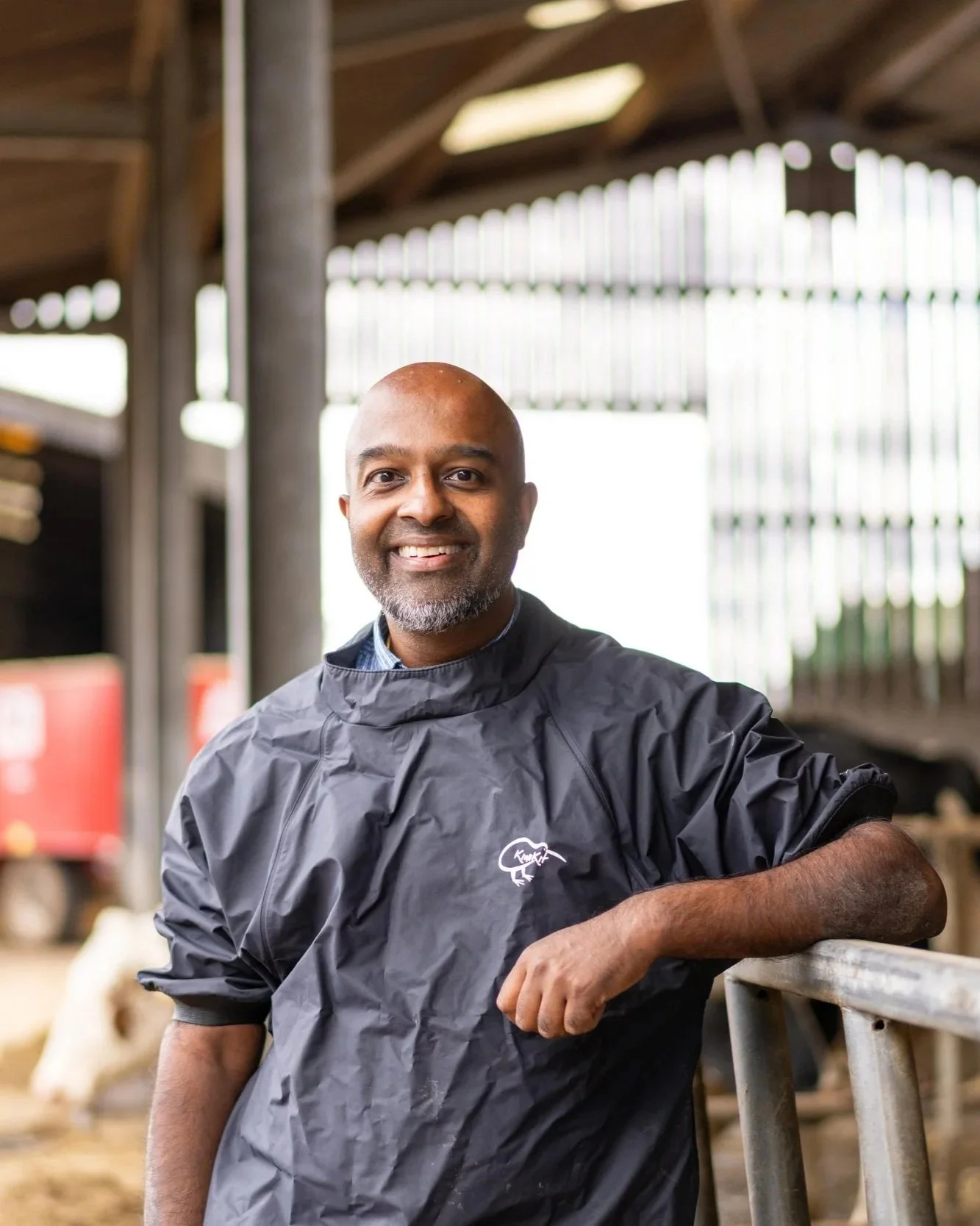
Co-founder Navaratnam ‘Theeb’ Partheeban (read Theeb’s profile in our directory to learn more about his work)
Angelina Before my current role as Professor of Food Systems at UWE Bristol, I had never worked with a Black academic colleague. This meant that any work to increase EDI for Black people in the workplace fell onto my shoulders. Workplace actions assumed a deficit approach - if Black people had more training, they could advance - rather than looking at how the structures in place restricted Black people from advancing in an academic career. I now have Black colleagues at UWE, with whom I can work to address institutional racism, and this means that I can turn more of my attention to addressing racism and inclusion in the wider food and farming sector. I am the first female Black professor at UWE and now 1 of about 100 female Black professors in all of the UK (I was 64th in 2023), out of 24,000 professors. Clearly, we have a long way to go still!
Idman Much of the work we do is shaped by our own lived experiences as racialised individuals working in the sector. We have each encountered barriers, exclusion and the ongoing challenges of navigating spaces that were not always designed with equity or inclusion in mind. Those experiences give us a deeper understanding of how structural inequality shows up in practice and continue to inform both our values and our approach. CRC is grounded in that lived understanding and in a commitment to creating spaces where people of colour are better supported, heard and valued.
Theeb I work in the least diverse sector in the country where there is no support and no network and so I think it’s all been about creating connections. When I tried to seek help, I couldn’t find it. So again, I looked for connections and when I found those, I found help. So, I think it’s about building something for everybody. So, the hope is that others don’t have to face what we did, that they have a place to share but also to celebrate us as well. Being a farm vet brought important lived experience because it’s even less diverse than being in an NGO or Academia. You’re working in the countryside, so you don’t have a chance to go back into a space where people do look like you because even if you go back from the farm to your practice, everyone is still like that too. It’s more isolating than many other jobs.
What impact would you like to see CRC have on the food and farming sector?
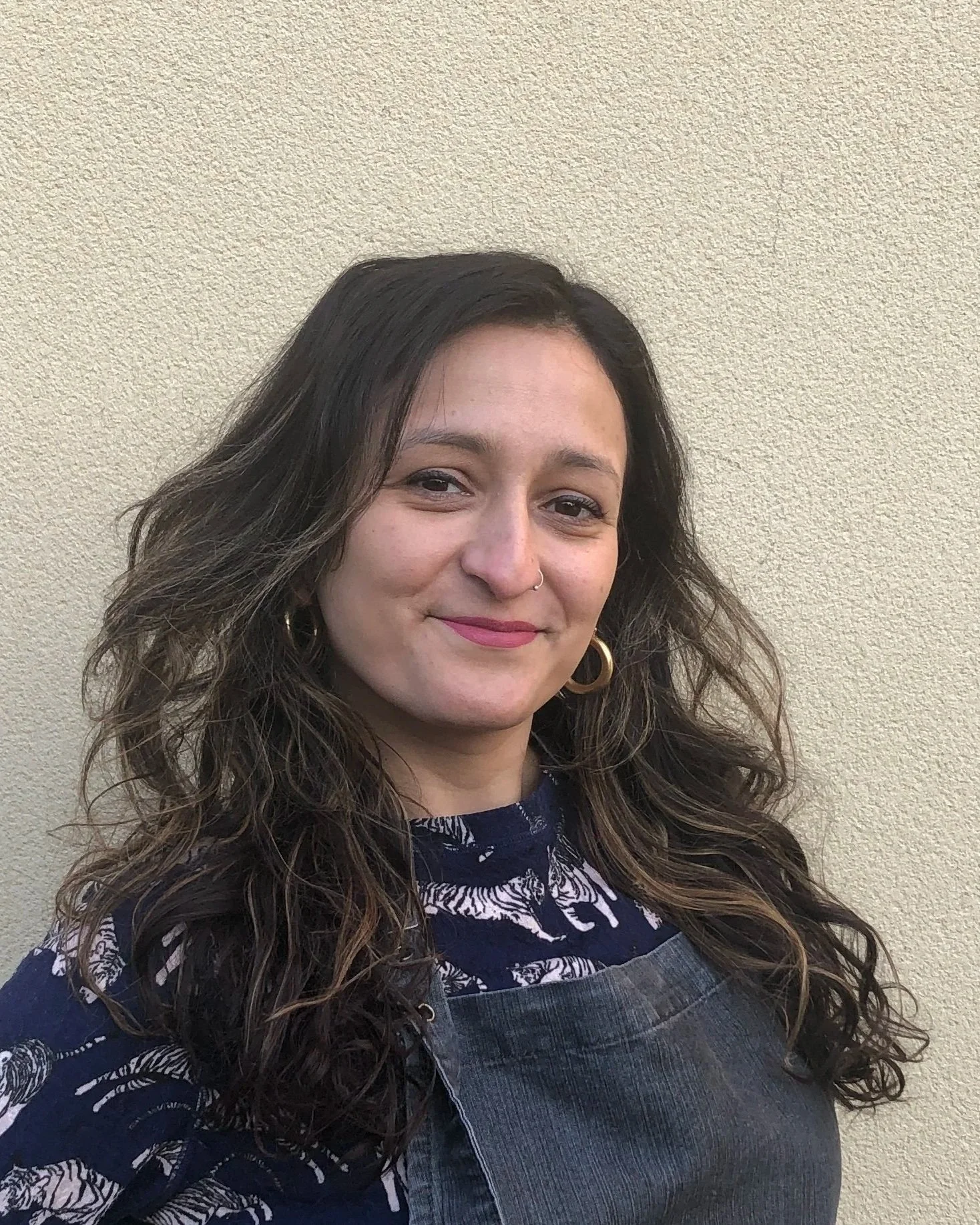
Co-founder Sareta Puri (read Sareta’s profile in our directory to learn more about her work)
Sareta It would be great if we could create pipelines of talent towards more diverse and equitable leadership. I don’t think our movement can become truly anti-racist, inclusive and justice-centred if we don’t have more people from marginalised backgrounds and identities leading the strategic vision of our organisations. We can learn a lot from community organisers and activists who shape change in meaningful and inclusive ways.
Angelina I would like to see more work on anti-racism and inclusion across food and farming, more dialogue, all leading to culture change and a change in attitudes regarding inclusion in food and farming. I want inclusion to become the norm rather than the exception.
Idman Visibility is key, being able to show that even though this sector is not very diverse , there are groups and individuals across the country actively changing that narrative. To show that people of colour have a positive impact on the sector and are influencing change in various ways. Longer term, I’d like CRC to help shift who is seen, who is heard and who is recognised as a leader in the sector. More than that, I’d like it to contribute to a sector where that visibility leads to meaningful inclusion and belonging.
Theeb I hope it drives more people who look like us to consider joining and being a part of the sector and driving it. But also, for the sector to make it important, diversity and inclusion should be a part of policy.
Beyond CRC, what are your wildest dreams for a more equitable and regenerative food and farming sector?
Sareta Community wealth over corporate power, Care and cooperation – over scarcity and competition. Genuine food sovereignty.
Angelina That Black and Brown people have the same access to resources and opportunities in food and farming as white people. Wild, huh?
Idman To see work rooted in anti-racism and justice being well resourced, to see less burnout, less scarcity mindset, for people to be well paid, have their work recognised and valued, to feel a sense of belonging and be empowered and celebrated no matter what your background is. To me, that is what justice looks like and what inclusion should mean in practice.
Theeb My wildest dream is to get to a place where we don’t need affinity spaces (BPOC spaces), where we could go anywhere and feel safe and welcome.